
Tag «pain»

Acupuncture Science 4: Chinese diagnosis

Part 4:  Chinese Medicine Diagnosis: A Balancing Act Traditional Chinese Medicine (TCM) diagnosis constitutes the four basic methods of; inspection (of the physical body or coating on the tongue), auscultation (listening to speech, breathing or coughing) and olfaction (of mouth or body odour), inquiry (of symptoms) and palpation (of pulse or abdomen), very much similar …
Acupuncture Science 3: Five Elements Theory

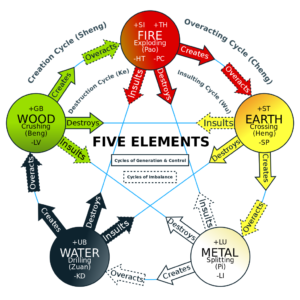
Part 3: Five Element Theory Following the Yin and Yang theory, in the 3rd century the Five Element theory was introduced which helped to understand the body as an interlinking system, where body functions are controlled through the actions of stimulation and inhibition.  As with other Chinese philosophies this system is also based on observations …

Acupuncture Science 2: Qi

Part 2:  Qi: Vital Energy, Life Force In Chinese philosophy Yin and Yang are created by Tao (nature’s creative force). Within this also originates the flow of life force called ‘Qi’ (pronounced Chi). Qi is described as vital energy or life force that exists in nature and all life, in the form of movement and …

Acupuncture Science 1: How does it work?

In this new 8 part series we attempt to understand the science of acupuncture and how it links to western medicine. Each week we will be exploring the philosophies and concepts on which acupuncture is based, which expands into how they could be linked into the physiology of medicine. To receive  updates on this series …